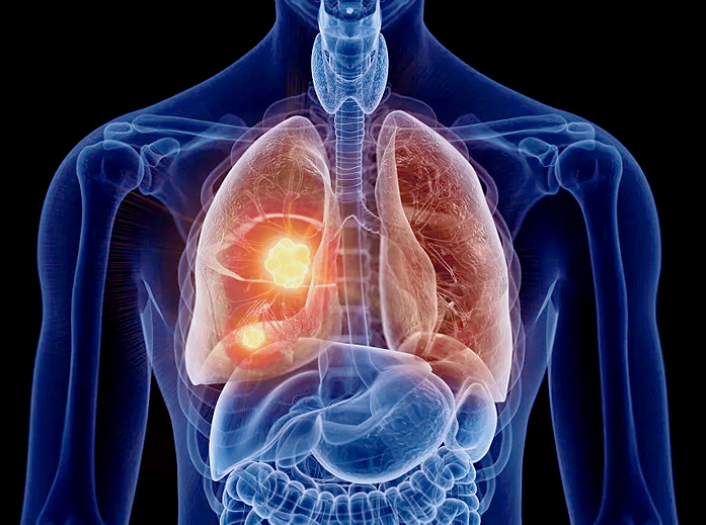
Lung Cancer Risk and Screening: Who Should Be Tested?
Lung cancer is one of the leading causes of cancer-related death worldwide. When detected at an early stage, treatment options are broader and the chances of successful treatment are significantly higher. For this reason, people at increased risk should have their individual risk assessed and undergo screening when appropriate.
Who is at higher risk of lung cancer?
The main risk factors for lung cancer include:
- Smoking — the most important risk factor;
- long-term exposure to secondhand smoke;
- exposure to radon, asbestos, arsenic, chromium, and other occupational hazards;
- a family history of lung cancer;
- certain chronic lung diseases, including COPD and pulmonary fibrosis;
- previous radiation therapy to the chest;
- increasing age.
What is lung cancer screening?
Lung cancer screening is performed in people who do not have symptoms but are at increased risk of developing lung cancer.
The main screening method is low-dose computed tomography (LDCT). Compared with a standard chest X-ray, LDCT provides more detailed images of the lungs and can detect small abnormalities at an earlier stage.
Who should undergo screening?
Based on widely used screening criteria, annual low-dose CT may be recommended for people who:
- are 50 to 80 years old;
- have a smoking history of at least 20 pack-years;
- currently smoke or quit smoking within the past 15 years.
What does “pack-year” mean?
Pack-years are calculated as:
Number of cigarette packs smoked per day × number of years smoked
For example:
- 1 pack per day × 20 years = 20 pack-years;
- 2 packs per day × 10 years = 20 pack-years.
Does everyone need lung cancer screening?
No. Low-dose CT is not recommended as a routine test for everyone. The benefits of screening have mainly been demonstrated in people who are at high risk of developing lung cancer.
CT scans may also detect small lung nodules that are not cancerous. In some cases, these findings may require additional imaging or follow-up.
Therefore, the decision to undergo screening should be made together with a physician, taking into account the patient’s age, smoking history, overall health, and individual risk factors.
How can the risk of lung cancer be reduced?
The most important step is quitting smoking. Stopping smoking can reduce future lung cancer risk regardless of how long a person has smoked.
It is also recommended to:
- avoid secondhand smoke;
- use appropriate protective measures if exposed to asbestos or other harmful substances at work;
- discuss lung cancer screening with a pulmonologist if you are in a high-risk group;
- seek medical attention if you develop a persistent cough, coughing up blood, unexplained weight loss, or ongoing shortness of breath rather than waiting for routine screening.
Why is early detection important?
Lung cancer may cause few or no significant symptoms in its early stages. Properly selected screening in high-risk individuals can help detect the disease earlier and increase the chances of effective treatment.
Dr. Nigar Əliyeva — Pulmonologist
Diagnosis and treatment of lung and respiratory diseases.