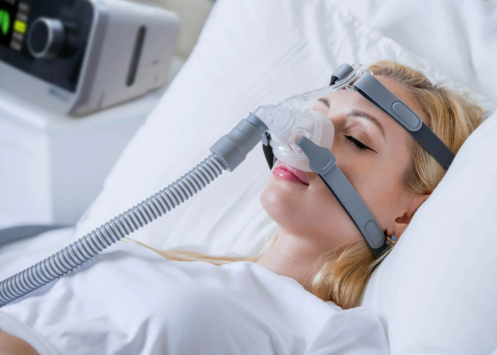
CPAP/APAP devices are used to treat obstructive sleep apnoea. Air pressure delivered through a mask helps keep the airway open during sleep and reduce pauses in breathing.
CPAP provides constant air pressure. APAP automatically adjusts the pressure as needed. The appropriate device and its settings are selected individually by your doctor.
When should you see a doctor?
You have been diagnosed with sleep apnoea and device therapy has been recommended
You need support when starting CPAP/APAP
Your mask causes discomfort or leaks air
You find it difficult to sleep with the device or continue treatment
Snoring and daytime sleepiness persist despite treatment
You need a review to assess how well treatment is working
How is treatment planned?
Your sleep study results, symptoms and other health conditions are assessed. The suitability of CPAP/APAP therapy is determined, and the device settings and mask are selected according to your individual needs.
A mask that fits properly and feels comfortable is an important part of adapting to treatment.
Adapting to the device
Getting used to the mask and air pressure may take time at the beginning of treatment. The following difficulties are assessed during the consultation:
A mask that feels too tight or causes facial discomfort
Air leaking from the mask
Dry mouth or nose
Nasal congestion
Discomfort from the air pressure
Difficulty falling asleep while wearing the mask
When needed, your doctor considers adjustments to the mask, humidification and device settings.
How is follow-up carried out?
Follow-up appointments include a review of device usage duration, air leaks and treatment data recorded by the device. Changes in sleep quality, daytime sleepiness and other symptoms are also assessed.
This information helps determine how well treatment is working and whether further adjustments are needed. Regular use of the device throughout sleep and scheduled medical follow-up are important.
CPAP/APAP therapy and follow-up in Baku
During a consultation with pulmonologist Dr Nigar Aliyeva, CPAP/APAP therapy is planned, adaptation and difficulties with device use are assessed, and an individualised follow-up plan is developed.
It is helpful to bring your previous sleep study results and any available device usage reports. Consultations are by appointment.